






Kenan WeaverBook a working session

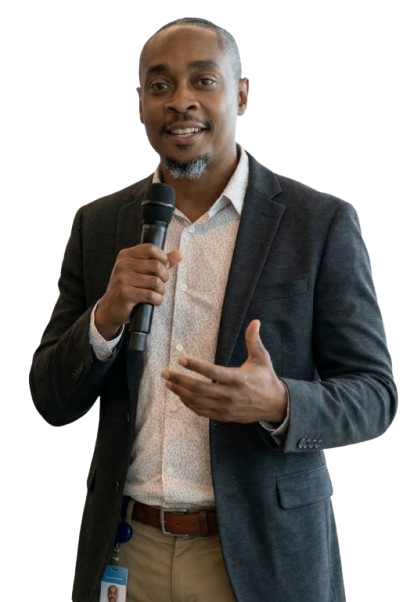
Kenan Weaver • Enterprise AI Strategist

The next big thing isn't your next best step.

Big tech sells the future one keynote at a time. I find the step your organization actually needs next, then get your people to take it.

in enterprise revenue contributed
$500M+
in enterprise revenue contributed
organizations later acquired
4
organizations later acquired
top-ranked in peer group across multiple sales roles
#1
top-ranked in peer group across multiple sales roles
adoption increase across enterprise clients
85%
adoption increase across enterprise clients
AppleColumbia UniversityVerizonChaseAT&TExxonMobilBank of AmericaMonsantoFISState ofPennsylvaniaState ofAlaska

Two problems that are one problem

Most teams treat what to build, how to sell it, and whether anyone will use it as three separate problems. They are one. I solve the whole thing.

Enterprise

Build what gets used. Sell what gets adopted.

BCG proved what I've spent fifteen years in enterprise learning the hard way while leading digital transformation for global Fortune companies: companies that neglect culture during digital transformation achieve breakthrough performance just 17% of the time.

Having led both pre-sales GTM strategy and large-scale implementations, I eliminate the gap where transformation dies. Most organizations split the sale, the rollout, and the culture change across three teams and lose the transformation in the handoffs. I run all three as a single continuous motion, combining technical discovery, the culture of innovation from Big Tech, and an Ivy League update to my OS in AI strategy.

  • Internal tools. In the age of AI, building is easy. Knowing what to build is hard. I bring rigorous product discovery to internal tooling, the user research most organizations skip: sitting with the people who will live in the tool, mapping the workflow as it actually runs, and making the build-vs-buy call before a line of code gets written. The result is a prioritized roadmap aimed at adoption, so you don't waste engineering capital or token spend on software your team won't adopt.
  • Startups going upmarket. Entering the enterprise requires an integrated GTM and change management strategy. I align your product lifecycle with how complex institutions actually buy: mapping the stakeholders who sign and the stakeholders who adopt, clearing governance and procurement hurdles, and staying in the room after the signature, where most vendors hand off and most deals quietly stall. That is how a pilot becomes a reference account, leading to faster sales cycles, increased adoption, and better retention.
See it in the work: The Enterprise Breakthrough

Education

Enterprise experience brought to educators across the nation.

I was one of those children who almost fell through the gap, in schooling overwhelmed by the pace of a VUCA world. But at the 11th hour (really the 11th grade) a colorful Mac Lab completely changed my trajectory. It sparked a passion for technology that led me to become an Enterprise Solutions Engineer, driving the core purpose behind my work: helping several of the nation's largest school districts change the classroom.

This combined experience helps me identify what's truly holding districts back from future-ready schools and lifelong learners. Too often, technology is dropped into classrooms without the operational stability to support it or the instructional framework to give it purpose. True transformation requires aligning the technical foundation with the human experience.

  • Infrastructure. IT's impact on student outcomes is determined long before devices ever reach a child's hands. By replacing disjointed deployment with automated, zero-touch MDM provisioning and rigorous K-12 data stewardship, we reduce operational overhead, choose the right vendors, and align your district's technical capacity with your academic vision.
  • Leadership culture. True innovation in the classroom cannot reach ideal student outcomes without an innovative leadership culture. Technology is the gateway, but culture is the destination. Through our Innovation Leadership Academies, we train educational leaders in modern change management, integrate purposeful GenAI frameworks that augment human curiosity rather than replacing critical thinking, and co-create shared-value strategies that unite unions, parents, and workforce partners.
See it in the work: The Chromebook Flip

The story

The pursuit of dreams

Scene 0

The Origin

Growing up in New York, a kid dreams of two things. Playing for the Knicks, or, when you find out that you're not athletically inclined, then getting the best education the city has to offer.

Without recognizing it as a career path, I always loved technology. From video games to computers, I was captivated, and I wanted to learn everything I could about emerging tech.

Technology seemed to confuse and frustrate people in ways I had never seen before. Adults always appeared to have a full grasp on the world I was still exploring and learning as a child. Yet the internet and digital transformation seemed to invoke a fear and a lack of understanding, all from the uncertainty of its applications.

So as I learned, I taught. First helping my mom record Oprah on her new VCR, and my dad transform his record collection so he could carry it in his pocket. Then I helped startups and Fortune 100 organizations do the same with their business processes. And it taught me the thing I am still doing now: technology is only as good as the community it serves, and how it is presented, adopted, and implemented makes all the difference.

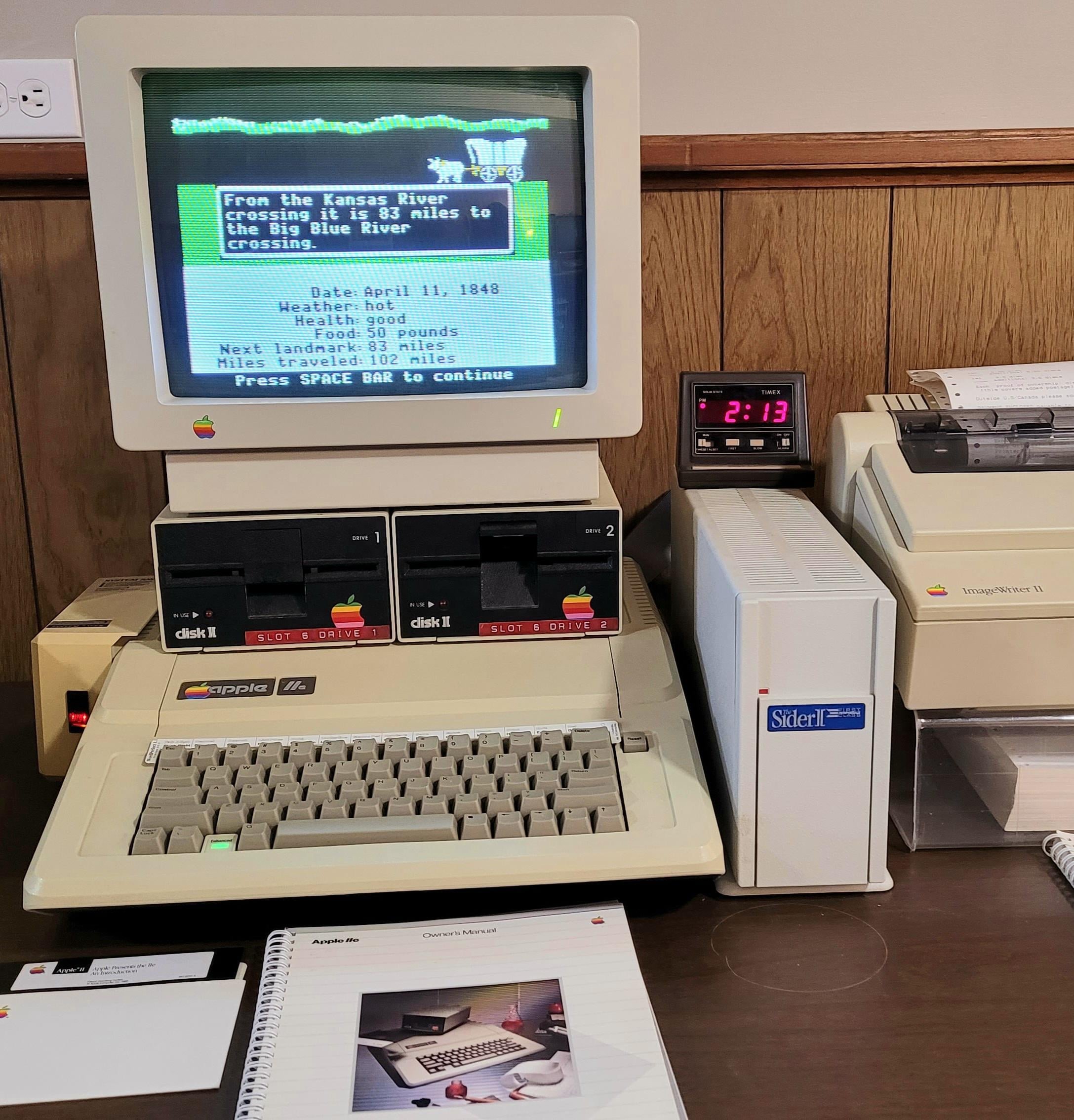
An Apple IIe running Oregon Trail, with Disk II drives and an ImageWriter II printer

Technology is only as good as the community it serves.

Scene 1

The Apple Dream

As a teenager, I wanted an iPod the way other kids wanted a car. It was perfect for those train commutes to school. I couldn't afford anything with an Apple logo, so I studied the only thing I could get for free: Steve Jobs.

From those talks I learned a lesson that stuck with me. Technology rarely fails because it isn't powerful. It fails because it isn't simplified, both in how it's delivered and how it's explained.

Years later, I walked into Apple as a senior enterprise leader, and my job was to simplify adoption and innovation. I worked with K-12 districts to put real tools into the hands of students who were often in the same position I had been.

On paper, we were deploying devices. In reality, we were changing who gets to participate in the future.

That's when the real lesson crystallized. The technology is never the hard part. Distribution is. Adoption is. Trust is.

You can ship the best product in the world, but if it doesn't reach the right people, or they don't know how to use it, it might as well not exist. That belief now shapes how I think about every product, every system, and every go-to-market strategy: innovation isn't just about what you build, it's about who actually gets to benefit from it.

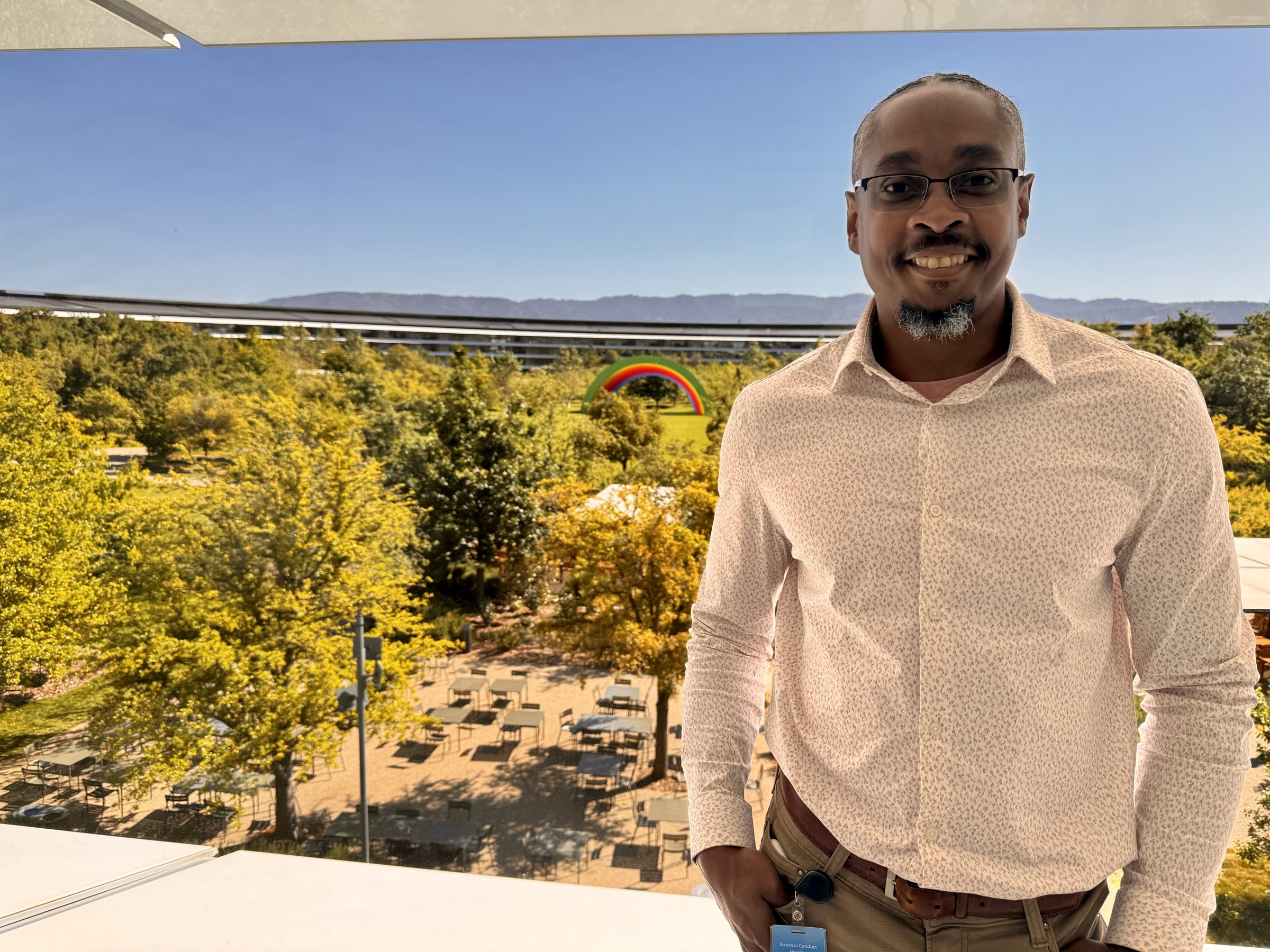
Kenan Weaver at Apple Park, the ring building visible behind him

Distribution is. Adoption is. Trust is.

Scene 2

The Startup Dream

At some point I became obsessed with startups. I had built my first company with friends in college and made a lot of mistakes, so I went to learn on the job. I didn't know how rare the experience was: an early hire at a Y Combinator company, and at another that ran its go-to-market on Play Bigger's category design.

I learned what it takes to build something from nothing and carry it up the mountain to scale, to become a “category king,” just like the iPod did. And I learned the harder truth underneath it. Anyone can build now. Knowing what to build, and building something that actually matters to the human being who will use it, is what separates the companies that make it from the ones that quietly do not.

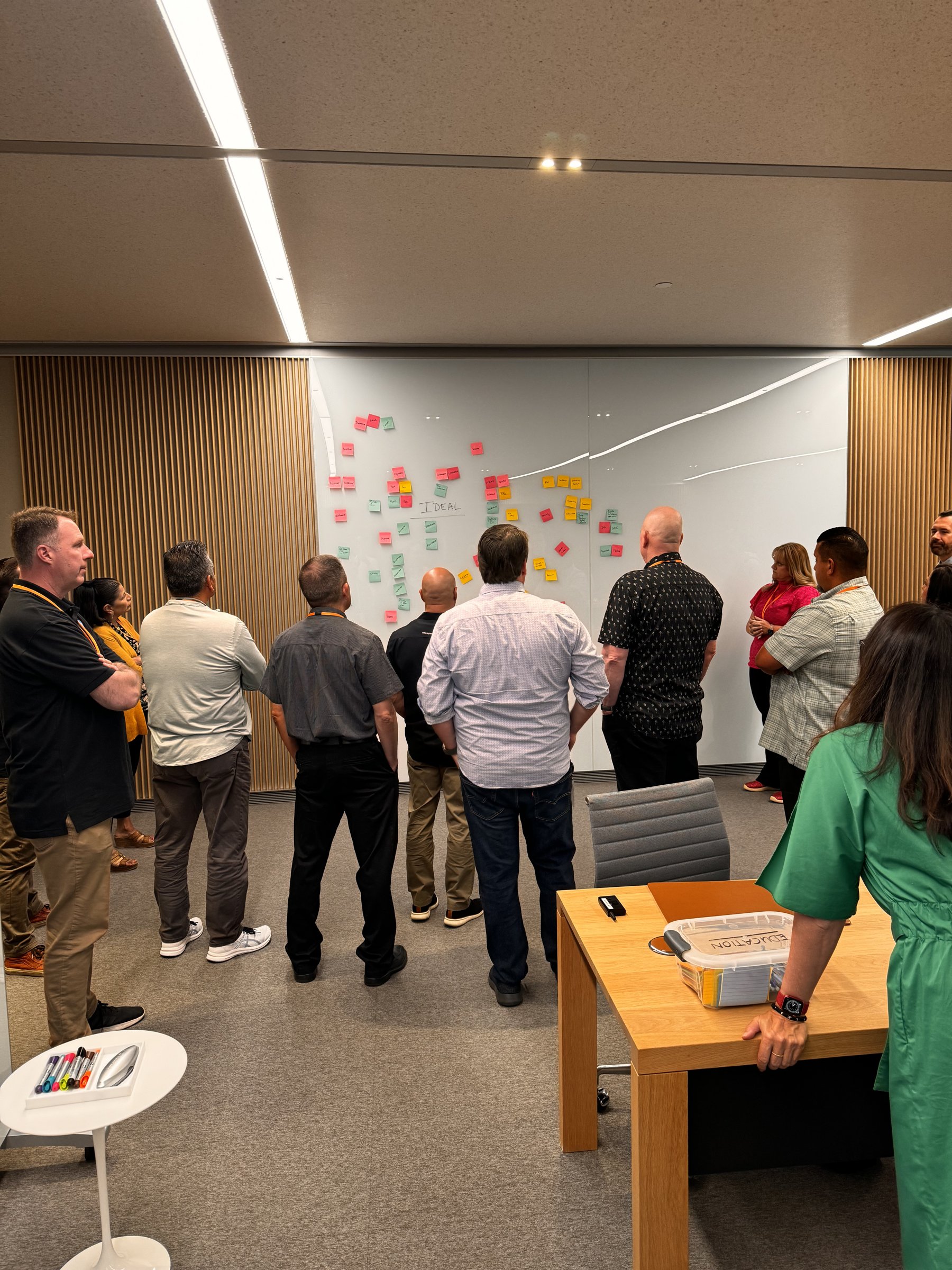
A workshop group working sticky-note prioritization on a whiteboard

Anyone can build now.

Scene 3

The Side Quest

Somewhere in the middle of all this, I chased a dream I had no business chasing. I did stand-up, and I pitched a show in Hollywood. To keep my connection with tech, I started writing angel checks, betting on founders the way people once bet on me.

On paper, none of that has anything to do with enterprise software. In practice, it's the most useful training I've ever had.

A comedy audience does not care about your title or your deck. Every few seconds they tell you the truth, out loud, about whether the thing landed. You learn to read a room, find the one true thing in it, and time it right, or you die up there.

Comedy is the ultimate crucible for real-time audience calibration, empathy, and overcoming psychological resistance. If you can command a room of skeptical strangers, you can align a room of siloed stakeholders.

Kenan on a comedy stage under a purple light, hand on chest, mic in hand

If you can command a room of skeptical strangers, you can align a room of siloed stakeholders.

Scene 4

The Columbia Dream

And the second dream, the one about the best education the city had to offer?

I am finishing it now. A master's at Columbia, on the other side of the same city I started in. Not because the resume needed one more line. Because the pursuit was always the point.

And the timing could not have been more perfect. I went back to study artificial intelligence right as generative AI moved from research papers to boardroom mandates, which gave me something most people never get: two environments at once. Columbia was the lab. Apple was the enterprise. What worked in the classroom shipped at work.

That is where the work I do now got its reps: AI strategy and readiness, AI governance and responsible adoption, workflow automation with large language models and agent workflows, and the change management that turns a pilot into a rollout people actually use. I automated my team's Monday meetings, streamlined my account research, and spearheaded internal AI implementation and use cases, in-house and with my clients: agents and chatbots at scale.

And in the schools where this story started, I help educators and leaders make sense of everything happening in AI, so it reaches students instead of passing them by.

The day you stop learning the new thing is the day you stop being useful to the people building the future.

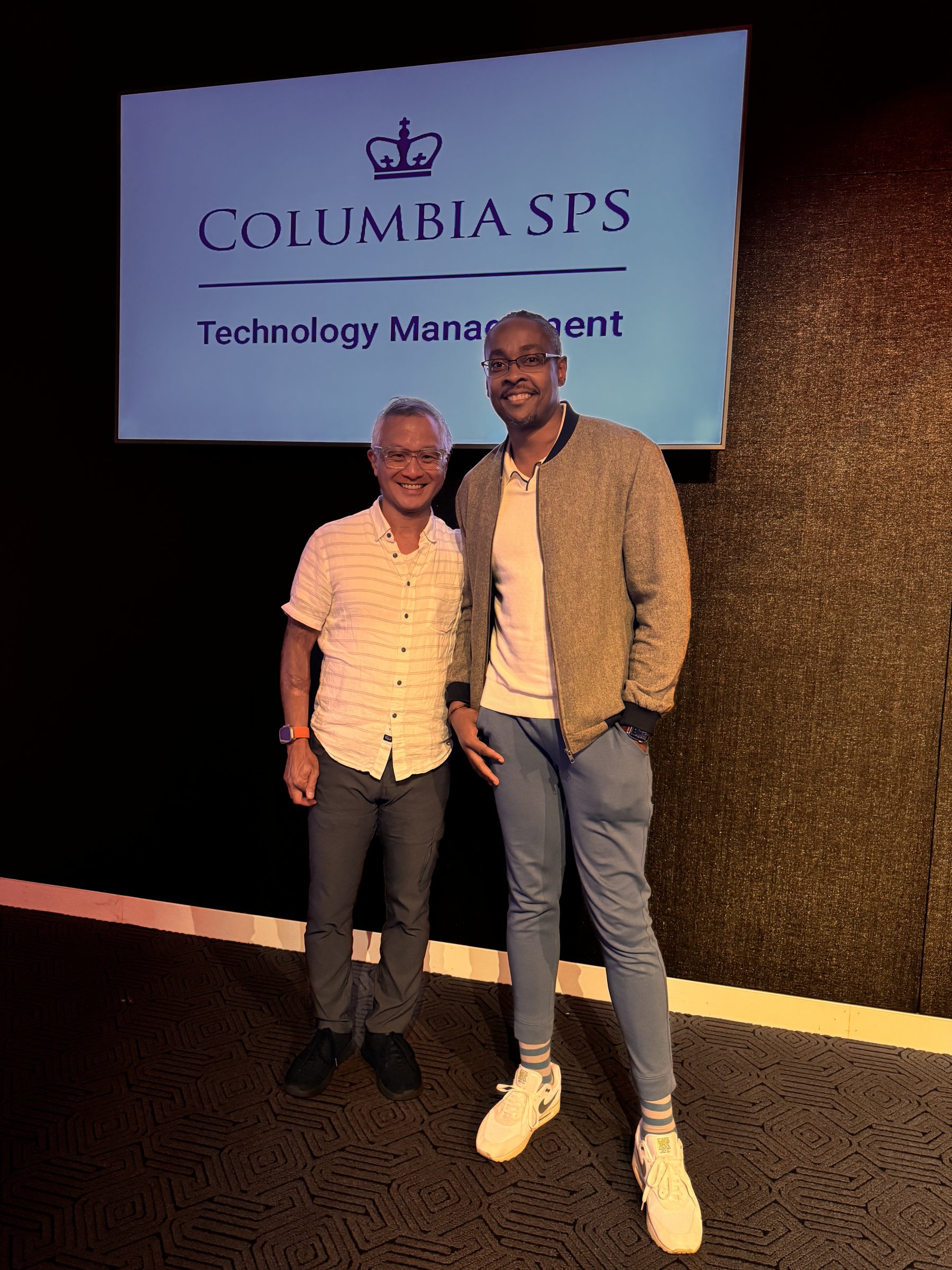
Kenan under a Columbia SPS Technology Management sign

The pursuit was always the point.

Every one of those dreams was reached the same way. Hard work. Faith. Resilience. None of it was handed to me. All of it was pursued.

That is the through-line of my life, and it is also the offer. If you are trying to build the right thing, sell it to people who are hard to convince, or get an organization to finally use what you built, that is the problem I have spent my whole life learning to solve.

Let's go solve yours.

Book a working session

The method

The lessons, formalized. Each framework exists because I watched the same failure happen more than once.

What to build

Work-Fit Diagnostic™

Before you automate a workflow, find out if it can be automated. Five properties decide it.

What survives

Pilot-to-Production Trap™

Most enterprise AI dies between the demo and the rollout. Four dimensions decide whether yours survives.

Who buys, who adopts

Buy-in to Buy-in Stakeholder Strategy

Two axes, not one: will they buy, and will they adopt. Built executing across complex, regulated markets where the deal and the rollout were treated as separate jobs.

Underneath all three runs the same discovery motion, the 3Ps: Perceive, Prospect, Probe.

How we work together

What-to-Build + Adoption Sprint

For orgs with a dev team, drowning in SaaS spend, unsure what to build or whether anyone will use it.

Discovery, including the user research a boss cannot get honestly from their own people. Build-vs-buy calls and a prioritized roadmap aimed at adoption.

Enterprise GTM + Adoption

For teams selling a product into the enterprise: startups going upmarket, edtech vendors selling into districts.

Stakeholder mapping, board buy-in, and the sell-and-adopt motion fused, not handed off at signature.

Founder-led Sales & Pitch

For founders selling and raising, and the investors backing them.

Founder-led sales coaching plus pitch strategy, tailoring the room using communication-style profiling.

The work

Three engagements, each defensible in a reference call.

The Chromebook Flip

Apple, K-12 Education

Hidden problem

I inherited 120-plus enterprise education accounts, among them several of the nation's largest school districts. The surface read was a pricing problem: a competitor owned most of the K-12 device market and the districts had standardized on cheaper hardware. I read it differently.

Discovery

Deep technical discovery with superintendents, CTOs, and curriculum leaders surfaced the real situation. These were not device decisions. They were digital-transformation decisions the districts had not named, with no AI readiness, fragmented security governance, and no technology roadmap. The unlock was a candid conversation about why one ecosystem felt present in the community and the other felt like an outsider.

The move

I turned that insight into a community-adoption and change-management playbook, plus an AI-readiness and governance track for safe classroom adoption. The point was not the hardware. It was making the rollout something families and teachers experienced before it reached the classroom.

Maps to Pilot-to-Production Trap™ and the 3Ps

The Enterprise Breakthrough

DocMagic → Chase

Hidden problem

DocMagic had a strong digital lending and eClosing product, but their entire client base was local and regional banks. They had zero enterprise national banking presence. The challenge went deeper than anyone initially realized: they were missing the enterprise-grade sales motion, product positioning, and stakeholder navigation required to compete at that level.

Discovery

I targeted the biggest fish first: Chase, a $45 million opportunity with stiff competition. Through deep discovery across their operations, compliance, IT, and lending teams, I mapped high-volume workflows and identified where DocMagic's platform could solve problems their current vendors couldn't. I also uncovered a critical product gap: DocMagic had no mobile solution, which was a dealbreaker for enterprise adoption.

The move

I built executive-level business cases tailored to each stakeholder group (legal, compliance, IT, business leadership) to overcome internal politics and regulatory hesitation. After landing Chase, I developed a repeatable enterprise sales blueprint the broader team could scale.

Maps to The 3Ps and Work-Fit Diagnostic™

The Data Nobody Saw

Pitney Bowes → Verizon

Hidden problem

Pitney Bowes was a 7,000-employee global company that everyone associated with one thing: mailing. In competitive enterprise deals, the software division was invisible next to IBM. The sales team was trying to compete on features. I realized the problem wasn't the product. It was the positioning.

Discovery

I identified that Pitney Bowes' proprietary mailing and addressing data was an untapped strategic asset: geocoded, location-rich intelligence that could power high-impact solutions far beyond mail. Nobody inside the company saw it that way. I did.

The move

I built a proof of concept for Verizon: an interactive tool where prospects input real destinations and saw coverage heat maps overlaid on their actual life patterns. When I demoed it live for Verizon's digital marketing executives, they said it changed everything. That POC became my playbook.

Maps to Discovery as a strategy lab

What people say

Kenan leads with curiosity, calm, and empathy. He's an excellent communicator who can translate technical complexity for both technical and non-technical stakeholders, and he consistently earns trust across teams. He was one of the highest-rated contributors in our 360-degree review process, and a pleasure to work with.

Dominic Iannitti

CEO, DocMagic

Kenan has a rare combination of intelligence, curiosity, and reliability. He grasps complex subject matter quickly, thrives in challenging environments, and approaches problems with both rigor and empathy. I've consistently relied on him regardless of task complexity, and I give him my highest recommendation.

Sean Safieh

Chief Information Officer, TimeLink

Speaking

A diagnostic-driven talk on why AI stalls, with a working framework, not a trends recap.

  • Keynotes
  • Executive briefings
  • Workshops
  • Hands-on trainings

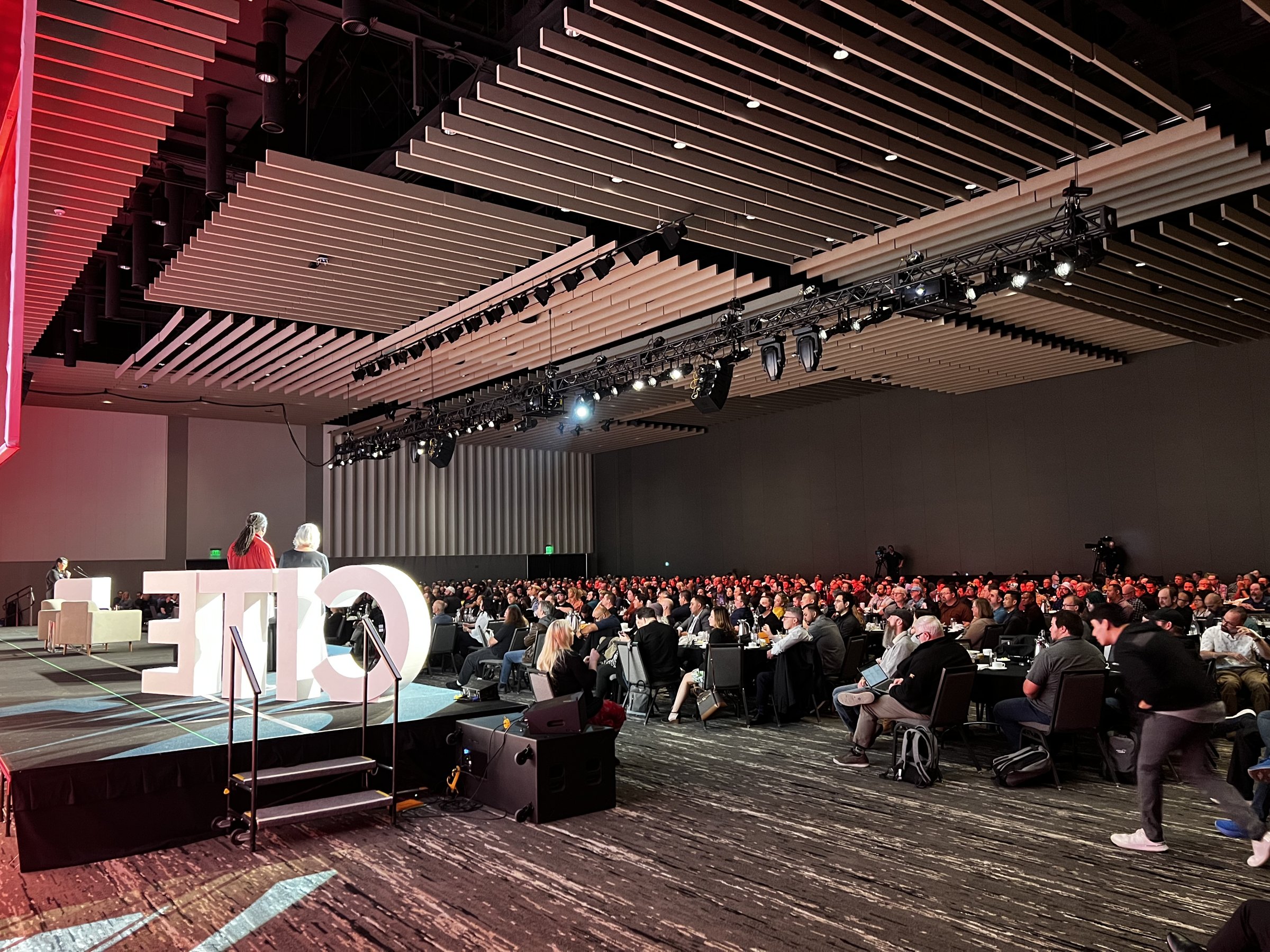
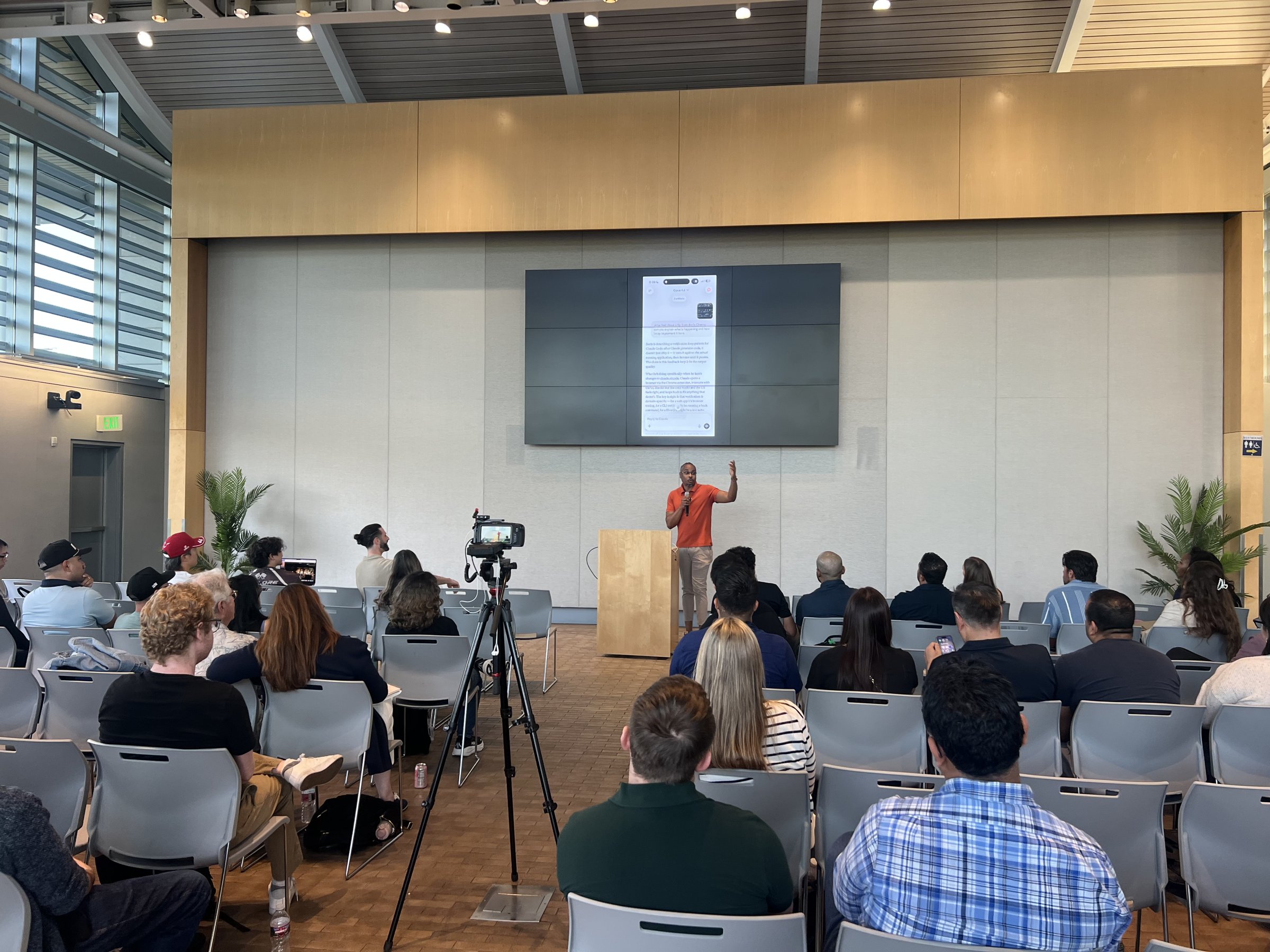
CITE (3x) · WAAIF

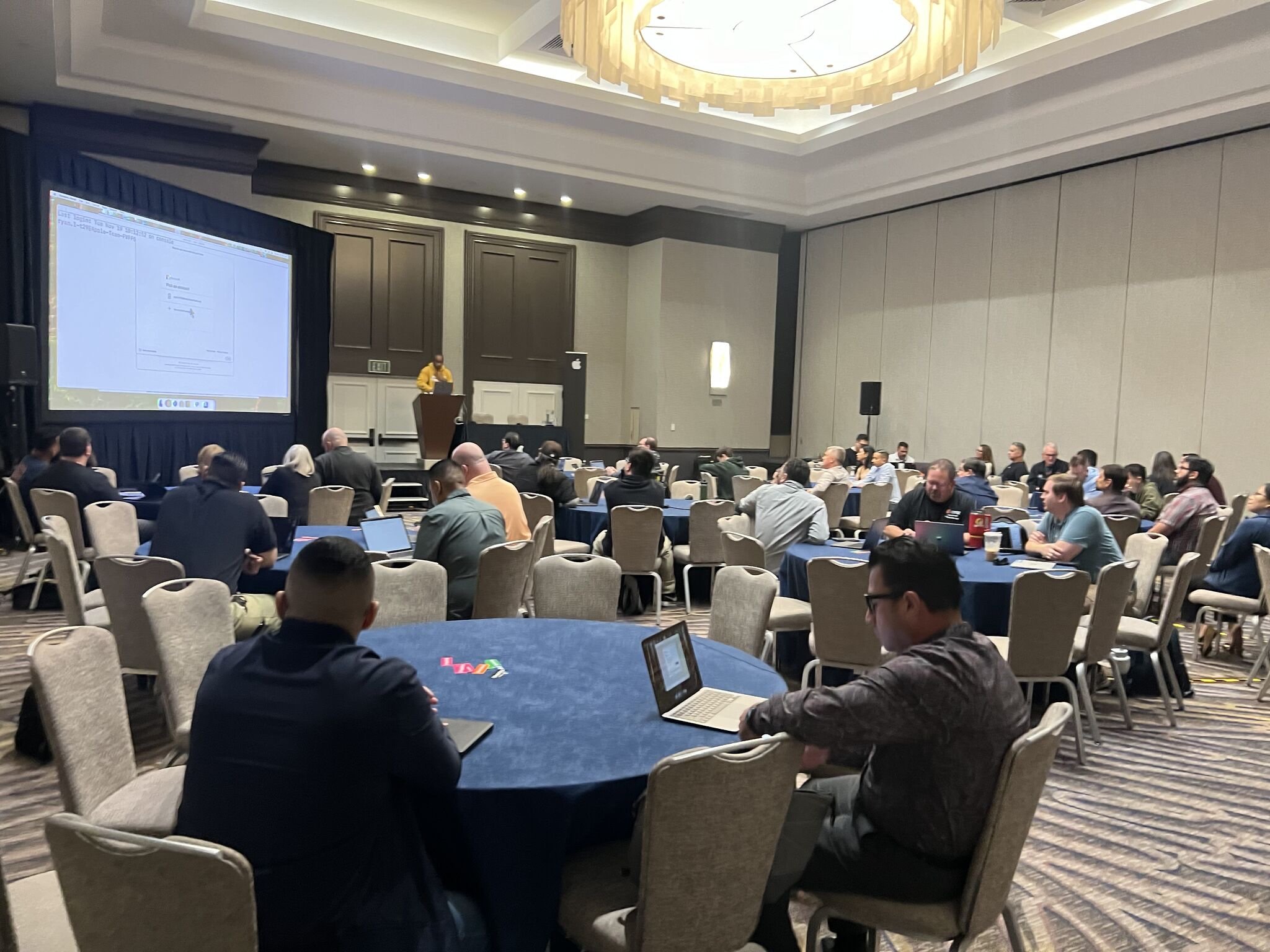
A full ballroom of round tables watching Kenan present from the podium at an Apple education event
Conference-scale wide shot of a CITE session audience
Wide view of Kenan presenting to a full conference room
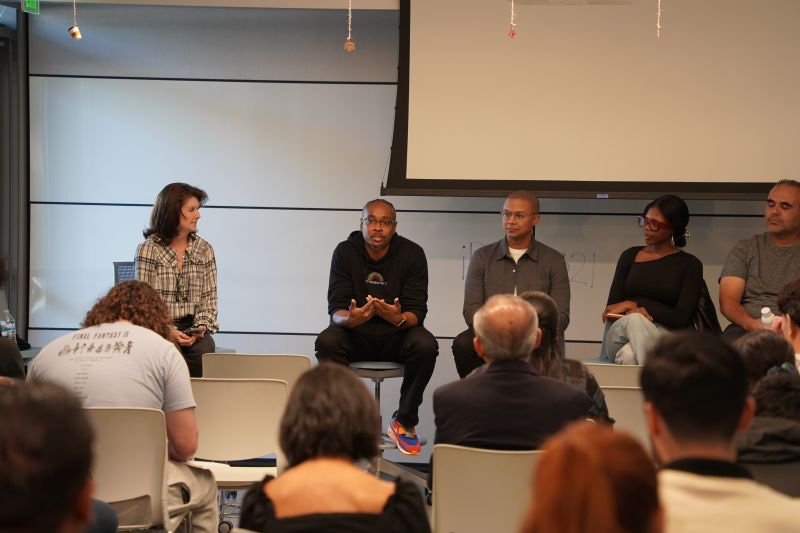
Kenan speaking on a panel discussion